Brigadoon Elementary School Partners with TAF@Saghalie for Garden Renovation
Creating Change: How to Grow Community Action Through Relational Learning
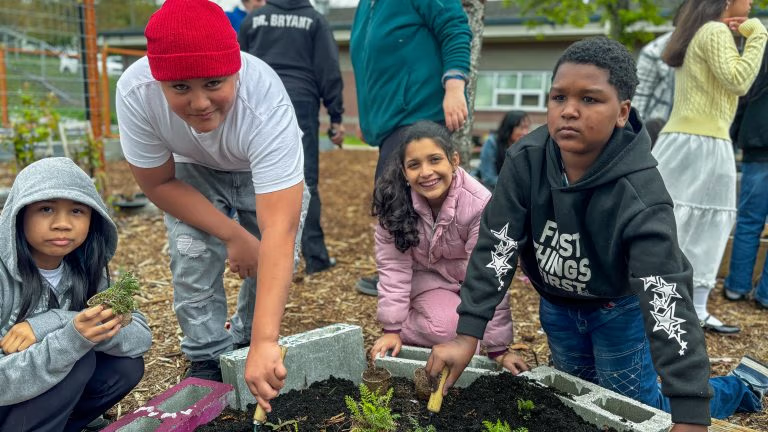
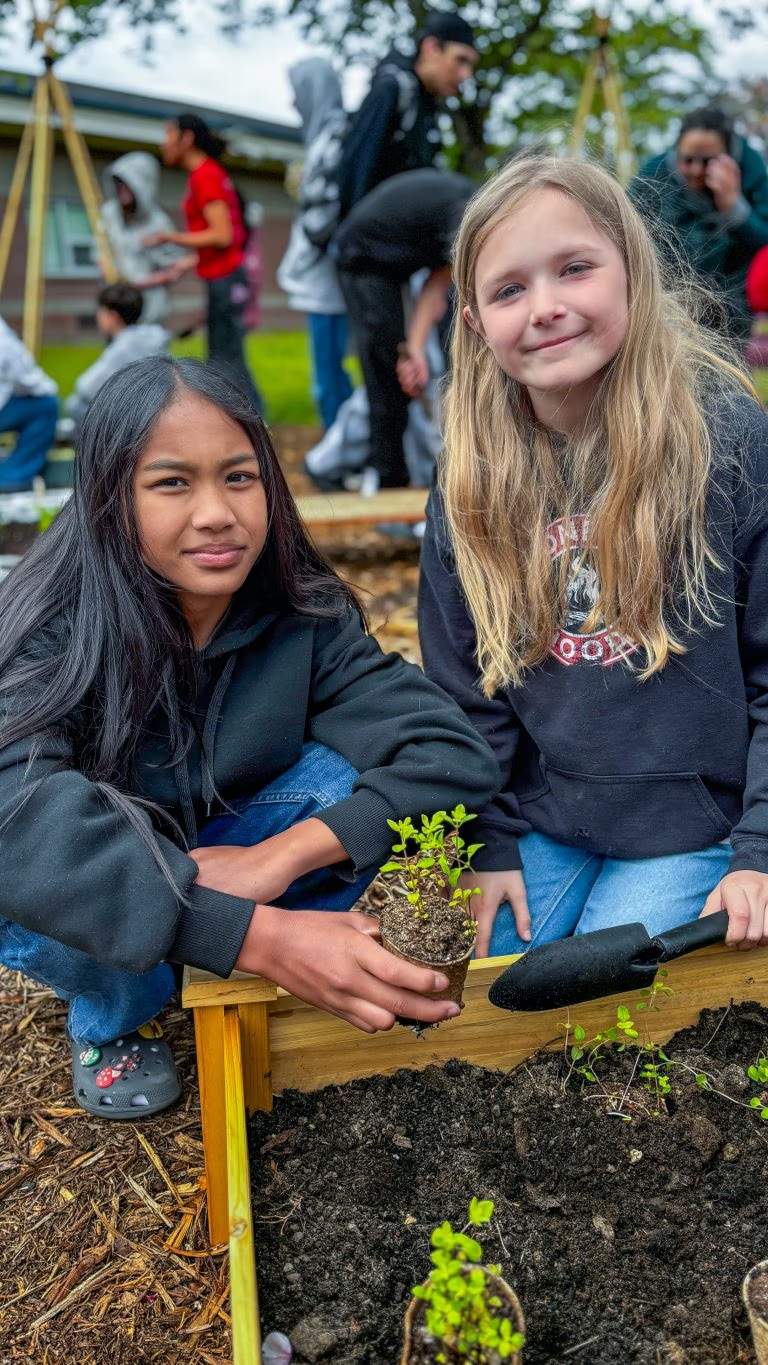
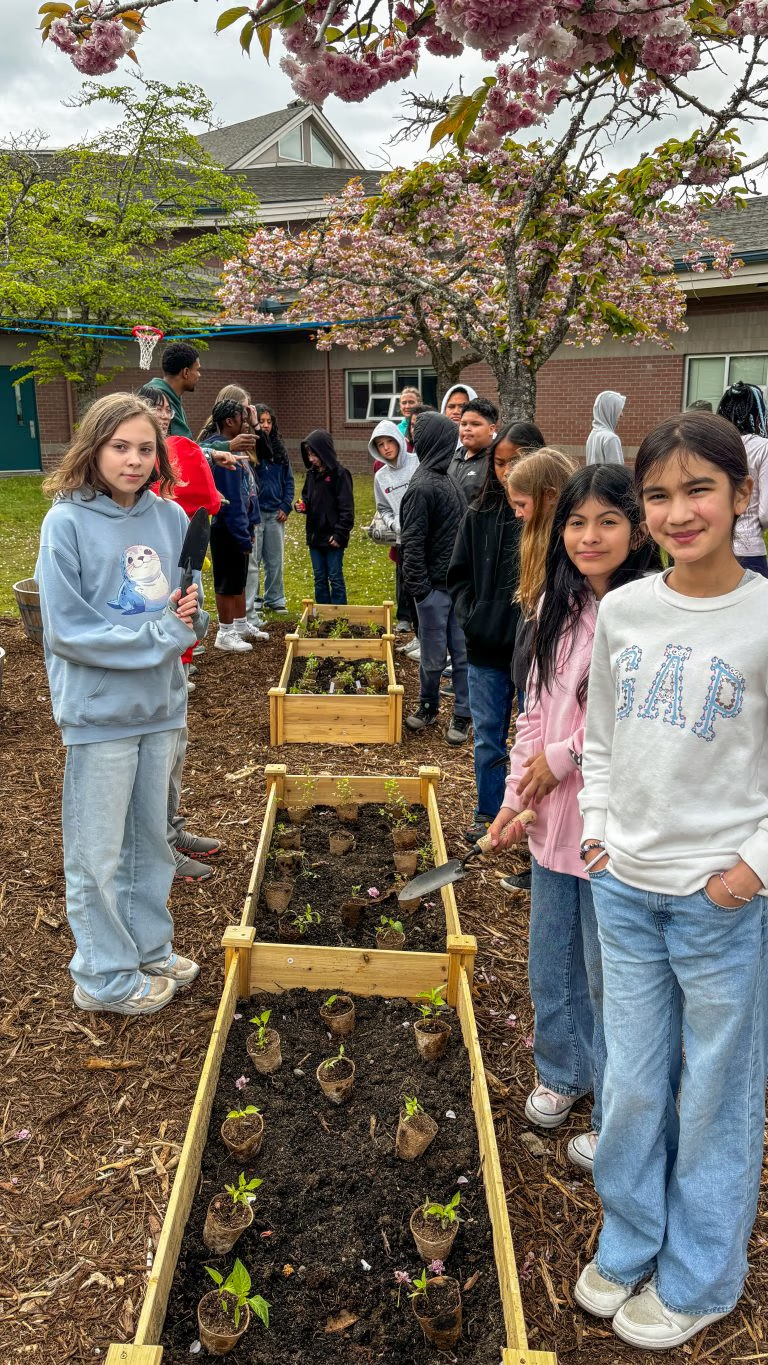
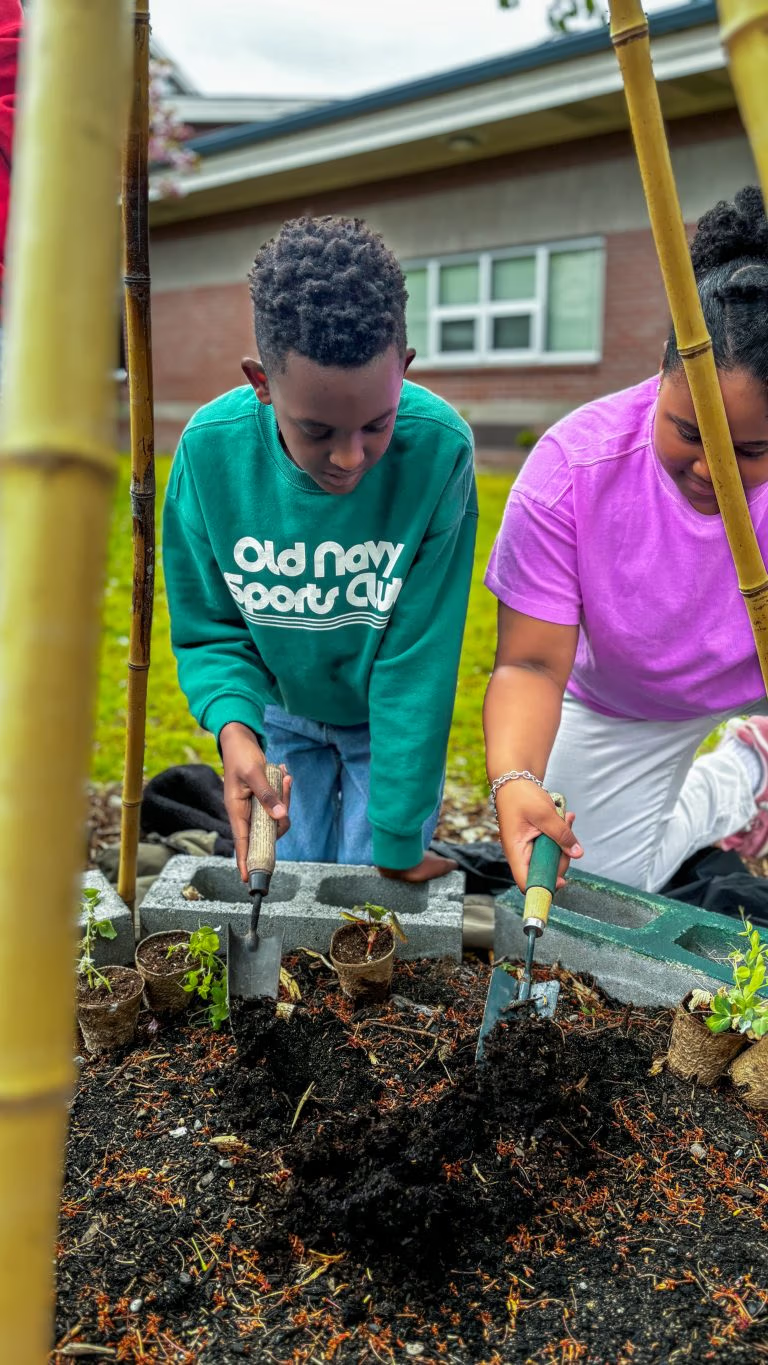
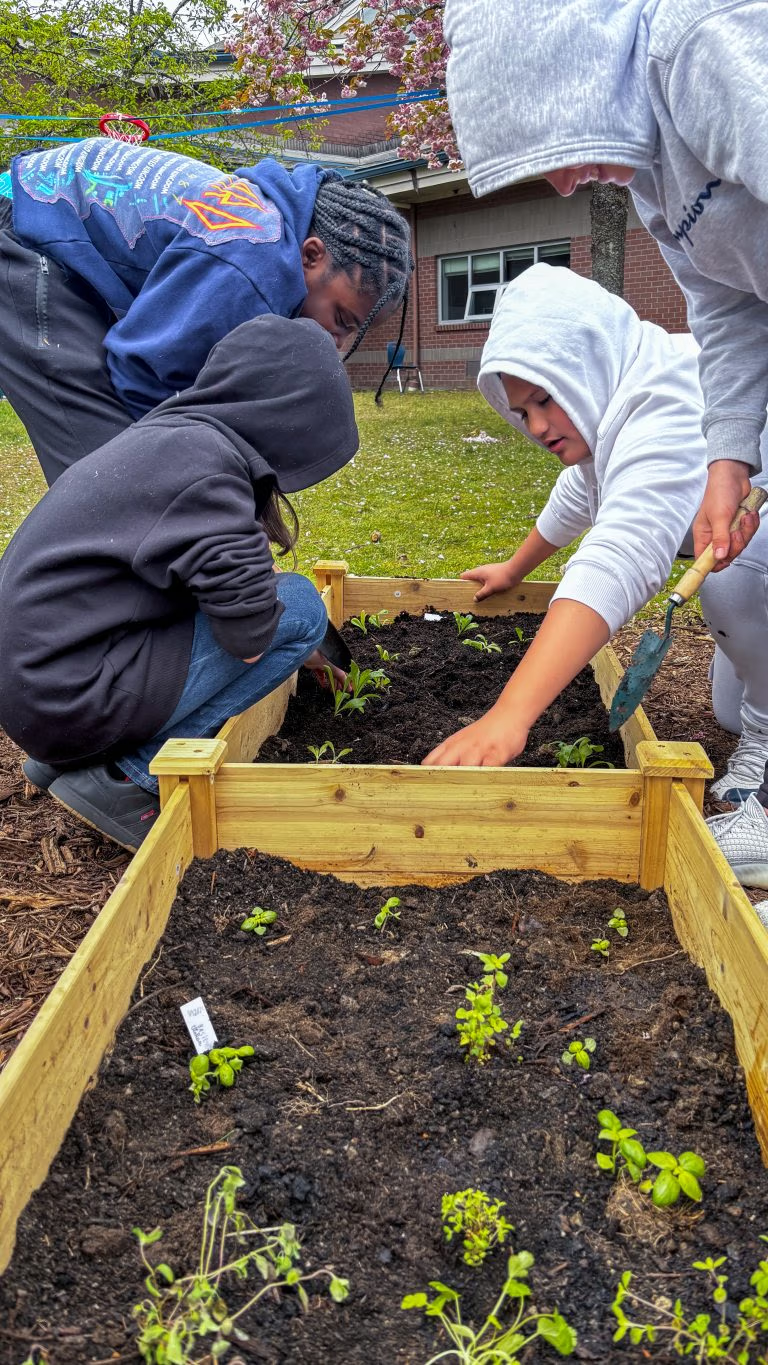
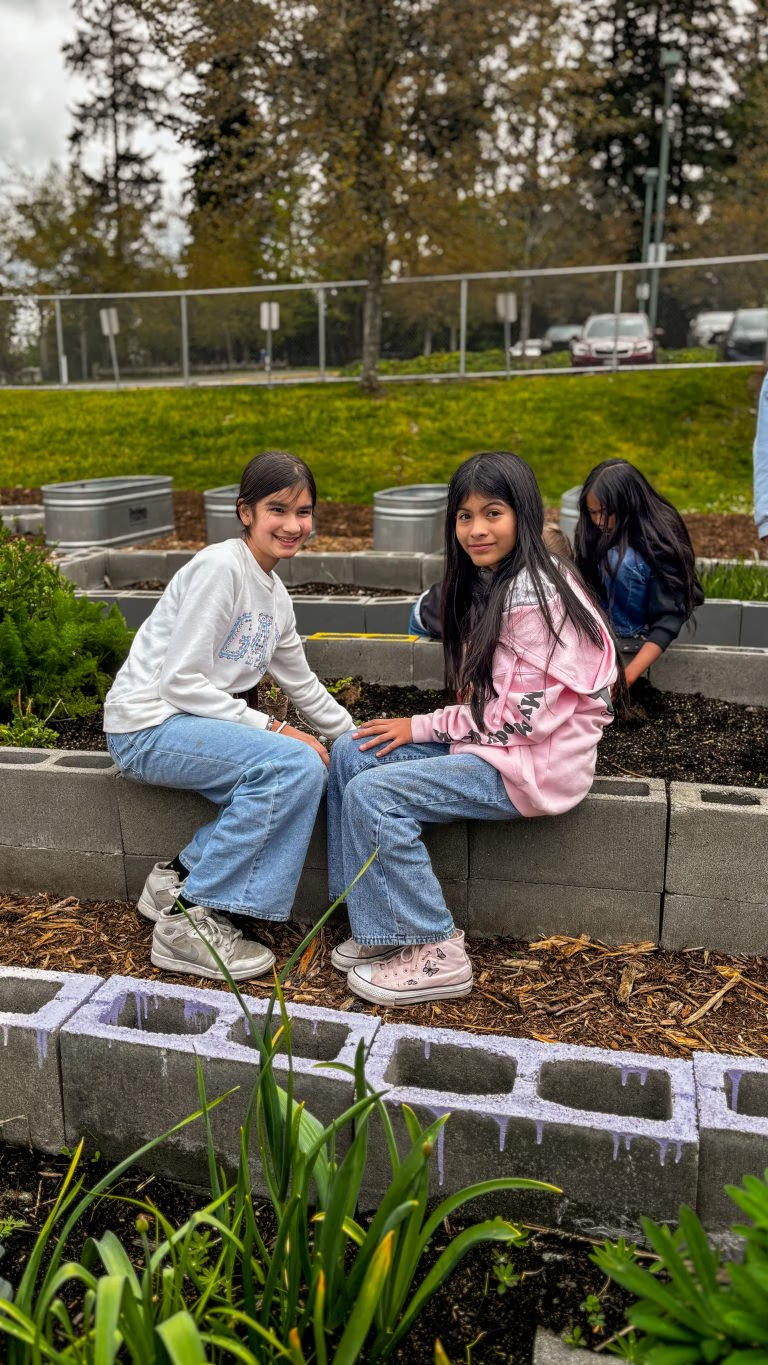
Brigadoon Elementary School Fifth Graders plant their herb starts in the TAF@Saghalie community garden, which will be part of a larger, school wide farm-to-table program for TAF@Saghalie.
June 16th, 2026
What happens when you give students the freedom to create, paired with consistent support, and an educational structure that follows their lead?
For Brigadoon Elementary Students, it meant bringing environmental stewardship to life. After learning about native plants, students transformed their knowledge into a book, grew plant starts by applying what they learned, and transplanted them in their neighboring school, TAF@Saghalie – creating a living project that middle schoolers and high schoolers can continue nurturing and cultivating.
This is a compelling example of what the STEMbyTAF model can look like with time, dedication, and patience from everyone involved.
How did this collaboration start?
Learn From Our Students!
Guiding this shift are TAF’s transformation coaches, who work one-on-one with teachers to develop Project-Based Learning (PBL) curriculum and skills tailored to each teacher’s unique classroom environment. TAF coaches don’t advise from a distance — they model instruction side-by-side, build genuine relationships with students, and ensure strong, sustained partnerships across TAF’s broader ecosystem of community partners, volunteers, and fellow coaches at other partner schools.
This iteration of Brigadoon’s project cycle began as a partnership between coaches Dr. Arleatha Bryant, Brigadoon Elementary School’s transformation coach, and Sarah Frisbee, TAF@Saghalie’s transformation coach. The coaches worked diligently with their teachers and students to cultivate a partnership based on curiosity, both within the classroom and in seeking support and resources to expand what is possible.
The result? Students that are engaged, imaginative, and confident in their ability to think outside of the box.
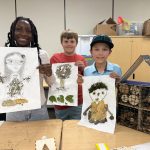
Students learned all about plants and how to steward a healthy ecosystem within a culture of collaboration and teamwork. They researched native plants and honed their writing and art skills, culminating in a printed book made possible through a community partnership and donation from the Vashon Green Tech Project and the support of TAF. Students were able to present their work and process at TAF’s Varsity Luncheon to donors and supporters. But the story doesn’t end there!
Using the research skills they’d developed, Brigadoon students grew plant starters, which they transplanted in TAF@Saghalie’s community garden. Here, TAF@Saghalie middle school and high school students will continue nurturing and cultivating these plants with a long-term vision towards a farm-to-table program. Many of Brigadoon’s students will be moving to TAF@Saghalie as 6th graders next year, where they can continue tending the garden they helped grow. With this natural feeder pipeline between the two schools, it provides an opportunity for these who continue to TAF@Saghalie to play a part in improving their community for the long term.
For students, like Neveah, an 8th grade student ambassador, they don’t just feel a sense of satisfaction and accomplishment; they get to have fun, expand their community, and see how their guidance for younger generations can have lasting impact beyond their time at school. “I [get to see] what experiences they’re going to have this year and next year [and] seeing their plants grow with them. I’m happy they get to experience these things so soon.”
This example matters because it shows what education can accomplish when teachers, administration, and school ecosystems think beyond hitting standards. Isolated subjects become interconnected. Students think critically and independently. Communities without a child in school discover they still have a meaningful role to play. And learning becomes something tangible — a garden, a book, a bond — rather than a test score.
What Makes This Approach to Learning Effective?
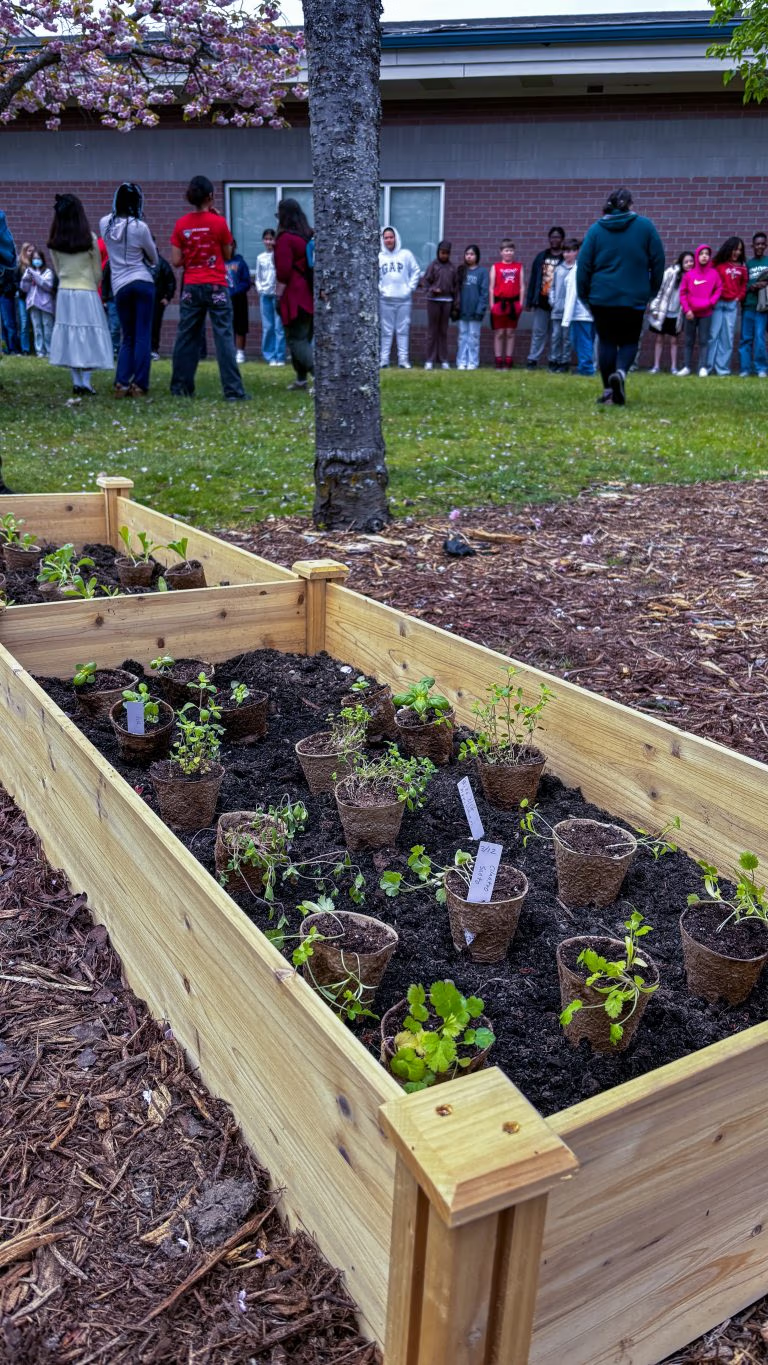
By engaging students as hands-on contributors to their own education, TAF builds classrooms where collaboration is the norm – even across schools. Students work alongside peers in team settings and partner with their teachers to shape a classroom culture where curiosity and contribution are expected. This isn’t a top-down classroom — it’s a learning community.
This is how TAF creates environments where learning expands far beyond four walls and into the real world.
This is what school can be: expansive, connected, and deeply human.
Across many public-school classrooms, the learning environment is familiar: one teacher, one voice, and rows of students expected to absorb knowledge from the front of the room. This siloed, lecture-driven model creates a top-down dynamic where students are passive recipients rather than active participants — leading to a lack of engagement felt by both students and teachers. Classroom culture shapes how young people show up in the world as adults, and if left unchanged, this environment affects more than just grades. Students who learn in a passive learning culture often carry the same disengagement into their communities and careers.
TAF believes there’s a better way — and it starts with rethinking who gets to be at the center of learning: students.
Join TAF's Trajectory for Transformation Campaign