Across Washington state, there is a stark disparity between the demographics of students and the educators who serve them. Many students go through their K-12 school experience without being taught by someone who shares or understands their racial, ethnic, or cultural backgrounds.
Why does this matter?Research and lived experience show student success is deeply connected to having educators who reflect and affirm their identities. While recruiting diverse educators is on the rise in Washington, TAF focuses on an often-overlooked question: What does it take to retain and sustain them?
It is not enough to bring in diverse educators when the education system was not built for them to thrive. Rooted in oppressive and supremacist norms, the history of education in Washington—such as Indian Boarding Schools—reveals how deeply ingrained these dehumanizing structures are. These norms rob students of agency and joy, while leaving educators feeling isolated and disempowered.
This results in high turnover rates among early career teachers and they are steadily increasing, most especially among BIPOC educators. The unfortunate reality is that many BIPOC teachers and education leaders are left to navigate white educational spaces alone, resulting in a mass exodus of teachers of color – even as the diversity in student population steadily increases.
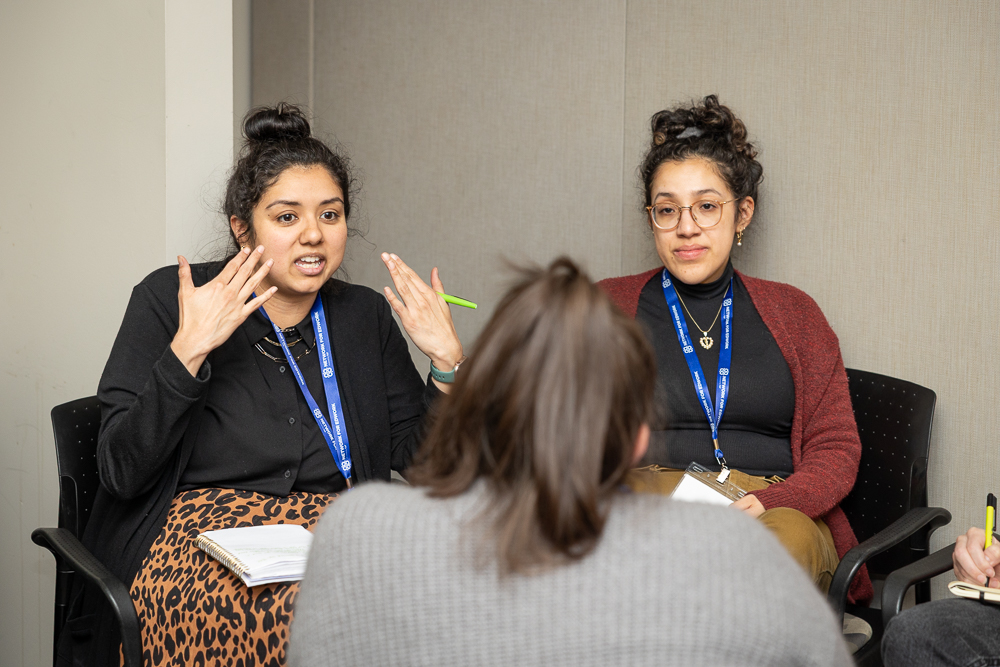
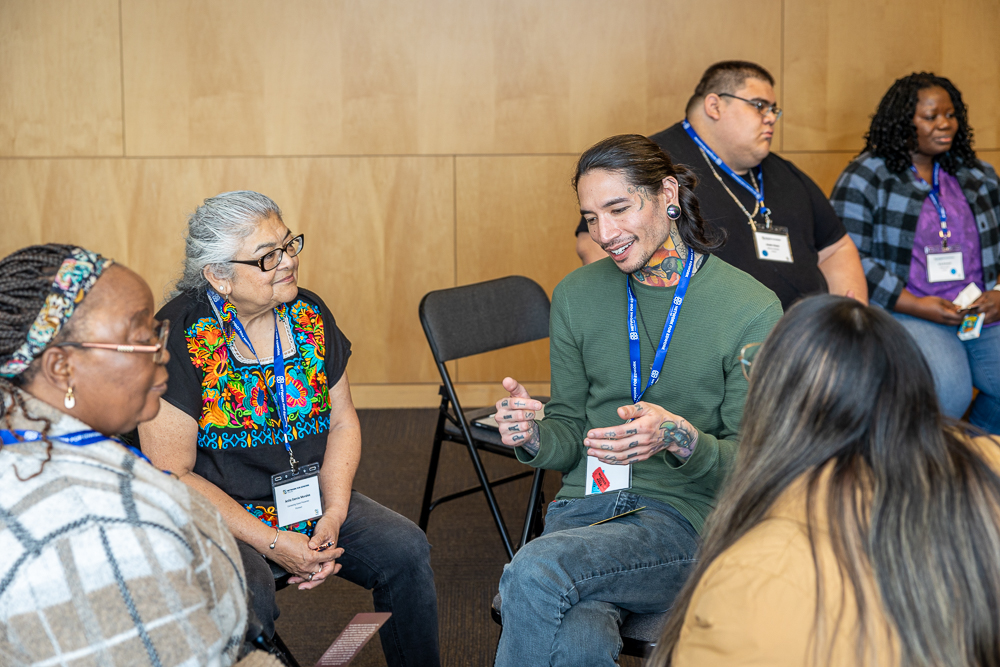
TAF’s Network for EdWork grounds professional learning in racial identity development and the knowledge that racially, ethnically, and culturally diverse educators are deeply committed to the social and political act of teaching. We provide spaces for authentic connection through racial affinity, and offer professional learning that is culturally sustaining, trauma-informed, anti-racist, and responsive to the unique needs of students and educators alike.
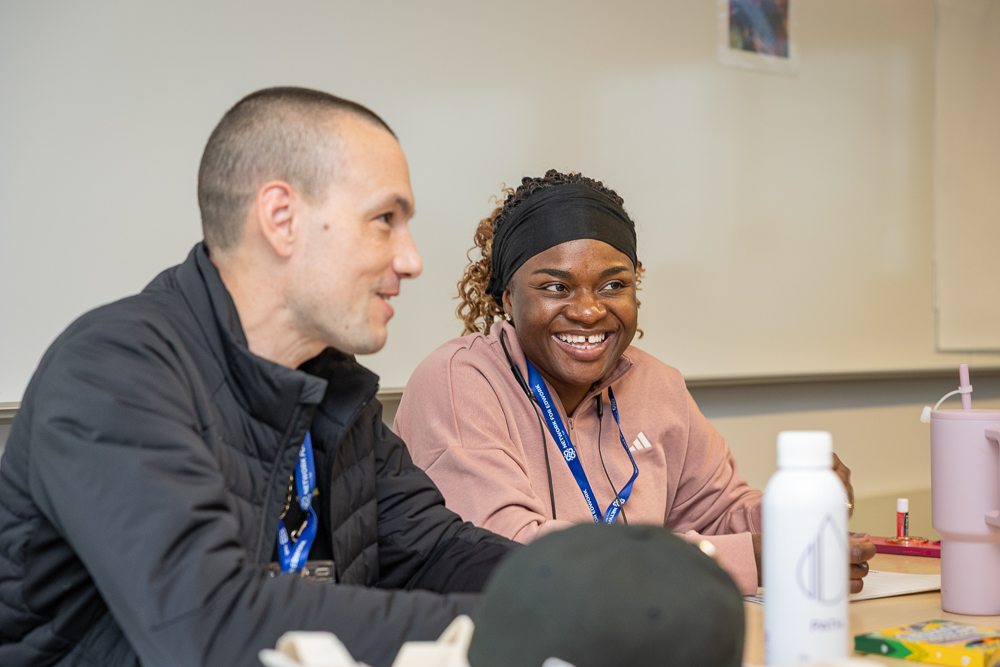
Educators often find their greatest fulfillment in relationships with students, families, and in learning spaces that center healing, joy, and their professional brilliance. Network for EdWork proudly creates and protects those spaces—spaces where diverse educators thrive.
The Martinez Fellowship is just one of the ways we make this happen.
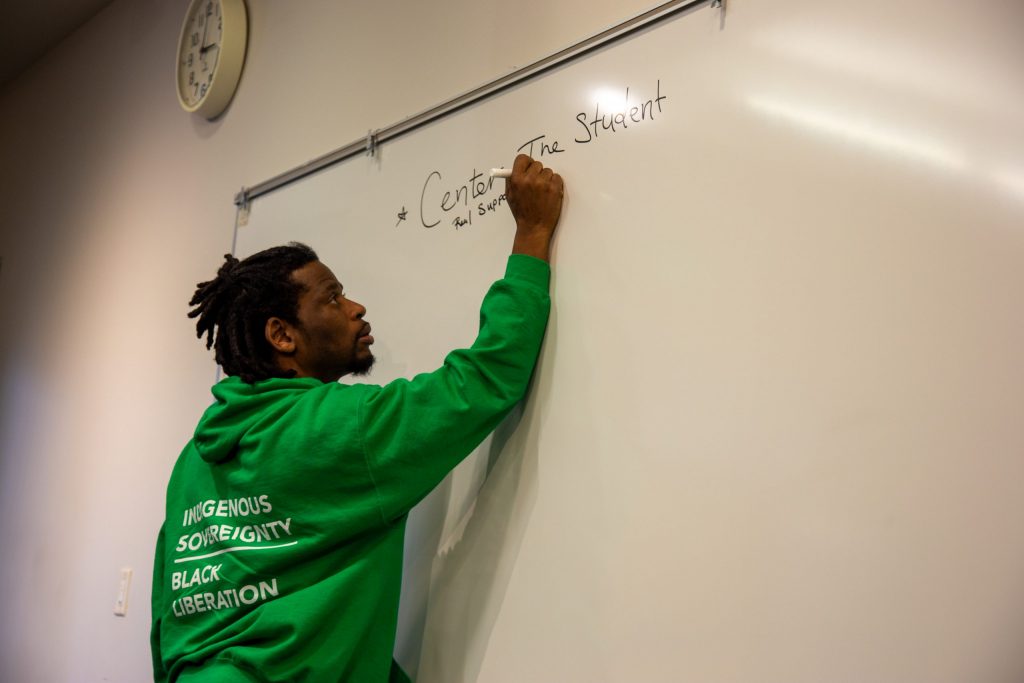
Radja Ringoringo, a student teacher at Western Washington University shares his experience before finding the Martinez Fellowship: “Speaking as someone who is a minority [when] trying to speak in these primarily white spaces, a lot of times you’ll say something, and someone jumps on right after. It feels like your comment just got overshadowed or that you didn’t feel heard.”
For teachers like Ringoringo, The Martinez Fellowship provides a solution: first, by creating a space for teachers of color to be in community while providing support in their first years of teaching. Second, by cultivating professional development opportunities that address the systemic inequities embedded in education. By focusing on how systems of oppression manifest within individuals, teachers are guided to mindfully curate a classroom environment where they become advocates for themselves and their BIPOC students.
This starts with retaining teachers of color past their first year. For Jill, a student teacher at City University, being a part of this year’s Martinez Fellowship cohort solidifies her dedication to being an educator. “The Fellowship brings more than just training. It provides a sense of belonging and validation that strengthens my commitment to teaching. It’s been a space where I can both grow and contribute, knowing that my unique perspective as a BIPOC educator is valued.”
Learn More About NWEW
See how we center and support teachers and leaders of color at every stage of their career.